
Biopsy Report Mein Cancer Aa Gaya — Ab Sabse Pehle Kya Karna Chahiye?
Biopsy report mein cancer aa gaya — these words can be frightening for a patient and their family. It is completely normal to feel anxious, confused, or unsure about what to do next. However, a cancer diagnosis is not the end of the journey. The next step is to understand the pathology report, identify the exact type and extent of cancer, and discuss an appropriate treatment plan with an oncology team.
If you or a family member has recently received a cancer-positive biopsy report, do not panic and do not start treatment based only on the report without proper medical evaluation. Different cancers require different approaches, and treatment decisions depend on several factors.
Here is a step-by-step guide to what you should do after receiving a cancer diagnosis.
1. First, Understand What the Biopsy Report Actually Says
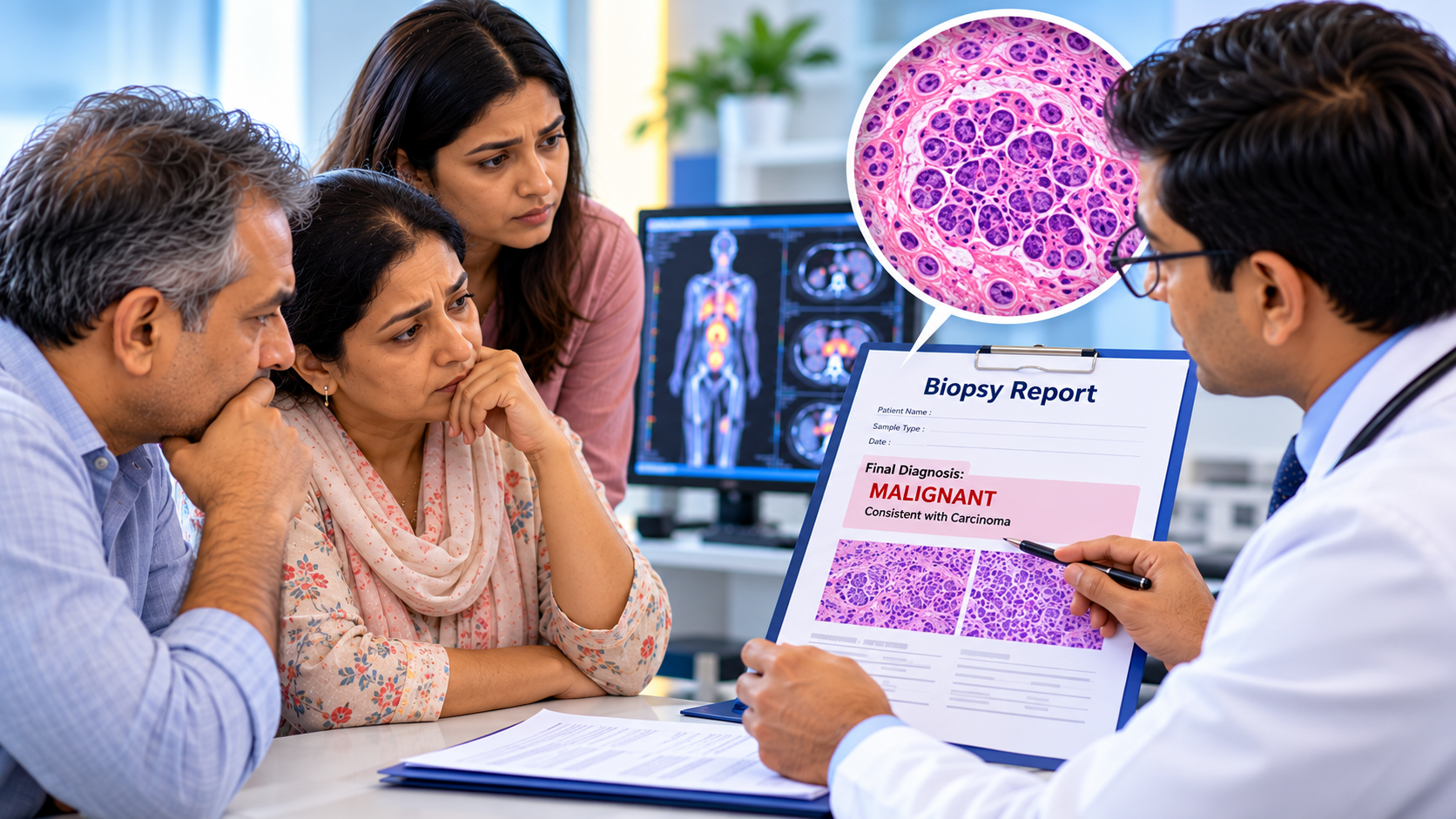
A biopsy involves taking a sample of tissue from an abnormal area so that it can be examined by a pathologist.
The pathology report may contain several medical terms that can be difficult for patients to understand. Depending on the type of cancer, it may mention:
Type of cancer
Histological type
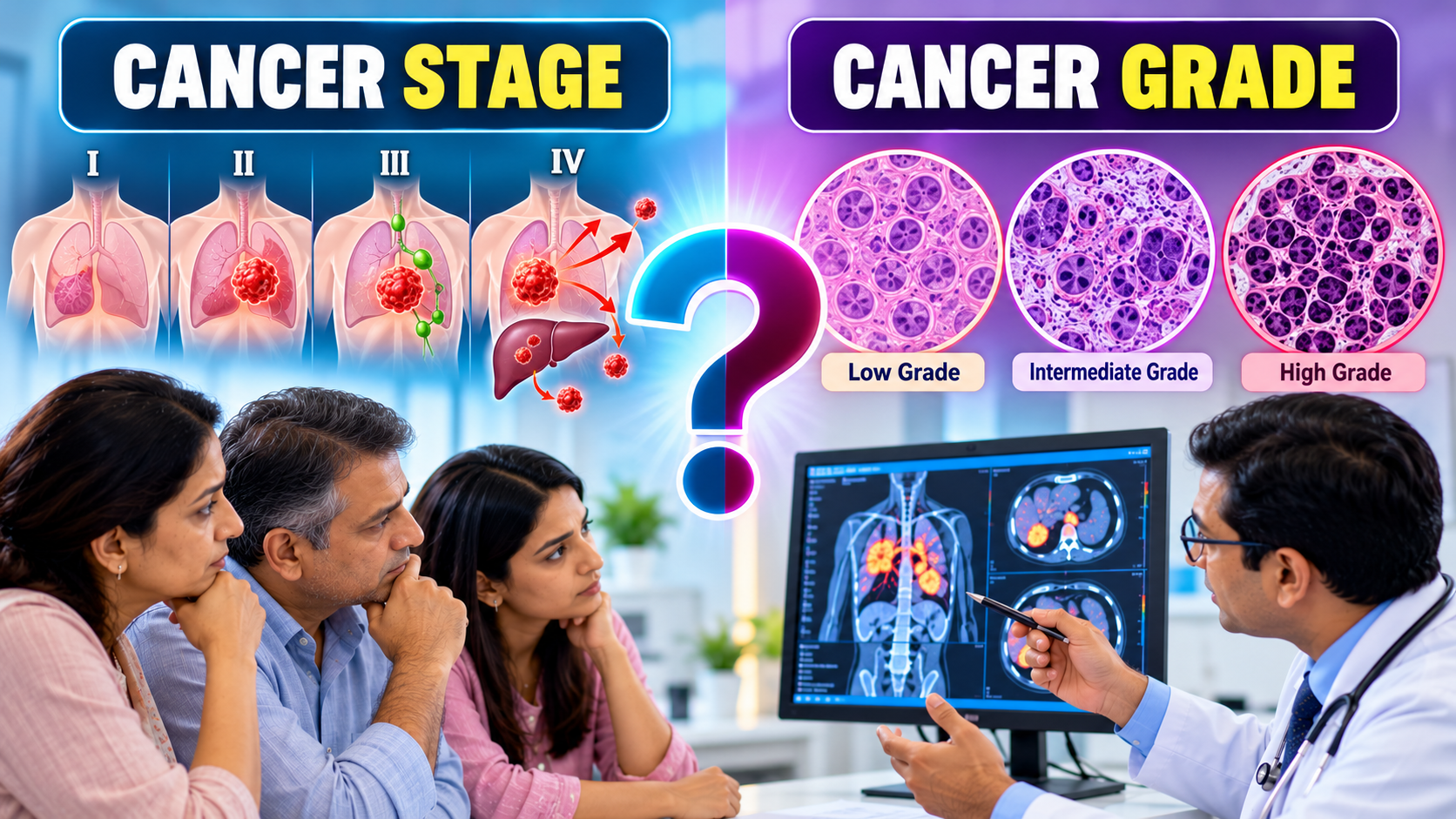
Grade
Tumour characteristics
Lymph node findings
Margin status
Biomarker or molecular test results
Additional tests or recommendations
The final diagnosis section is particularly important because it identifies what was found in the tissue sample.
However, one important point is that a biopsy report does not necessarily provide every piece of information required to determine the complete treatment plan.
Your oncologist may need additional reports, scans, blood tests, or biomarker testing before recommending treatment.
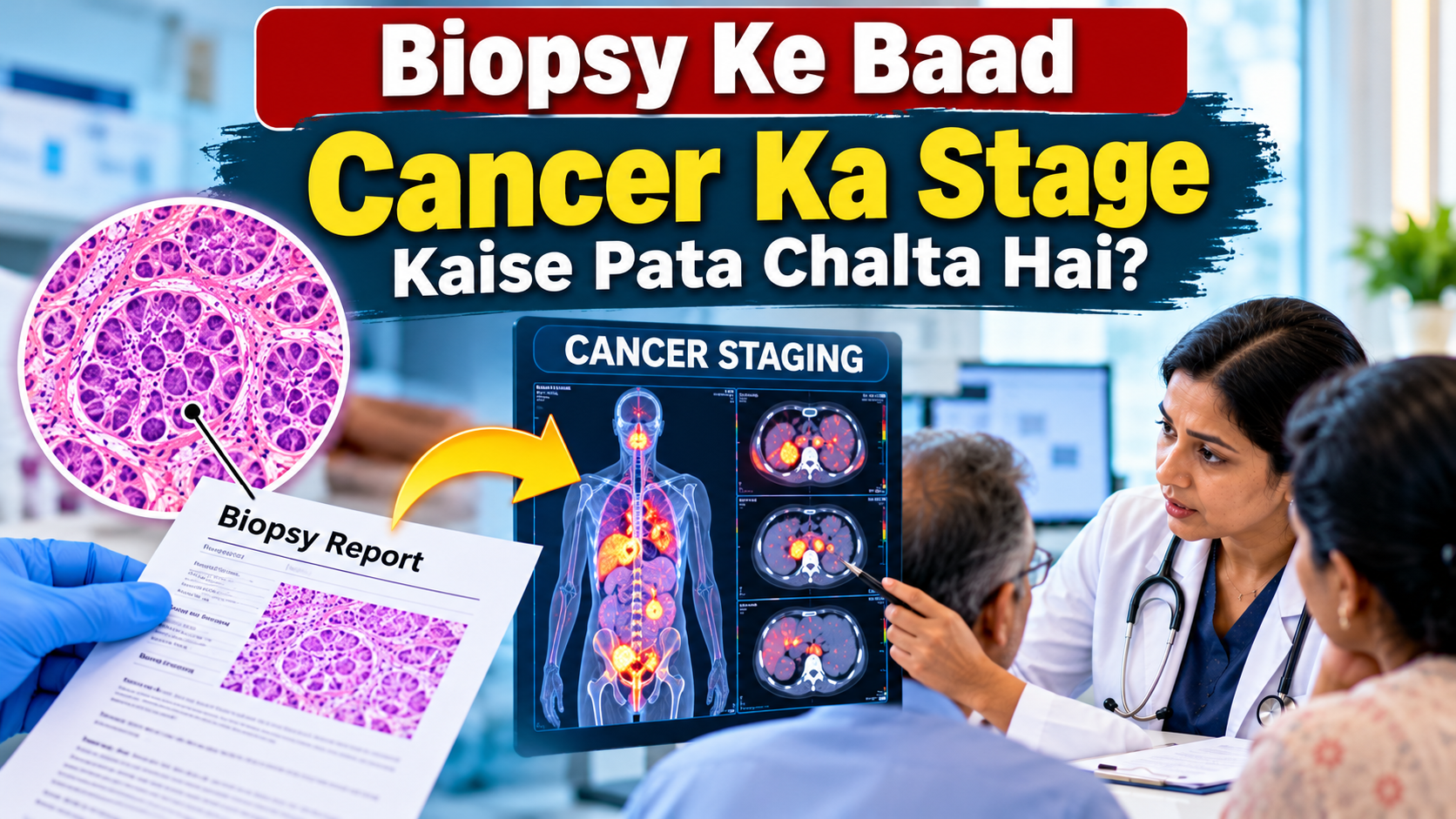
2. Don't Assume That the Biopsy Report Alone Tells You the Cancer Stage
One of the most common misunderstandings after receiving a biopsy report is assuming that the cancer stage is automatically written in the report.
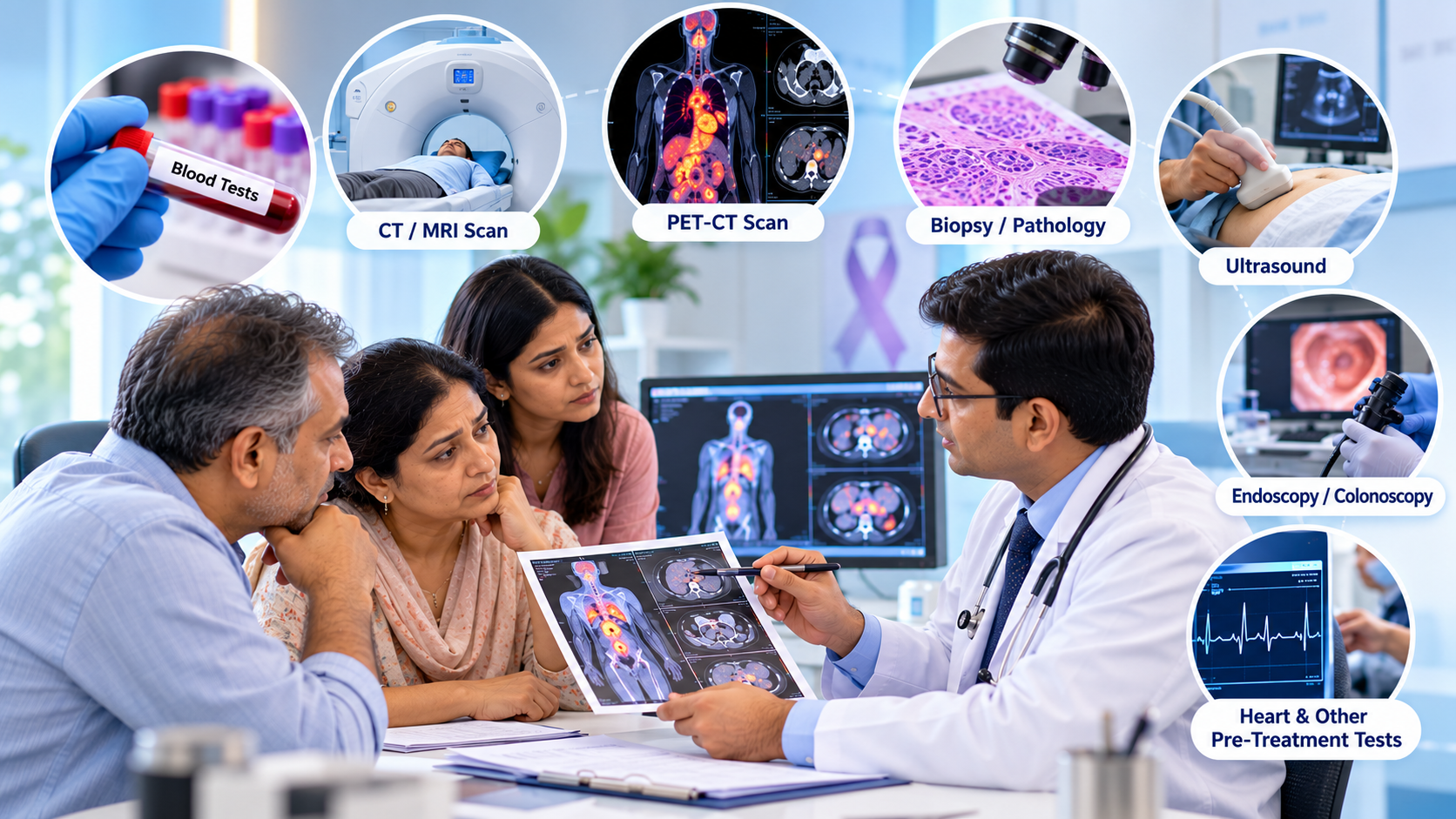
In many situations, staging requires information from multiple sources.
Depending on the cancer, your doctor may recommend investigations such as:
CT scan
MRI
PET-CT
Ultrasound
Blood tests
Endoscopy or colonoscopy
Molecular or biomarker testing
Lymph node evaluation
The purpose of these investigations is to understand how extensive the disease is and to help the oncology team select the most appropriate treatment approach.
Do not assume that a particular scan is necessary for every patient. The tests required depend on the type, location and characteristics of the cancer.
3. Take All Your Medical Records to an Oncologist
After receiving a cancer-positive biopsy report, the next important step is to consult an appropriate cancer specialist.
Take all available medical records with you, including:
Original biopsy/pathology report
Previous blood test reports
CT/MRI/PET-CT reports
Scan images or CDs, if available
Previous prescriptions
Hospital discharge summaries
Previous treatment records
Details of current medicines
Any previous surgery reports
Do not take only a photograph of the biopsy report if the original documents and imaging are available.
Having the complete medical history helps the cancer care team understand the patient's condition more accurately.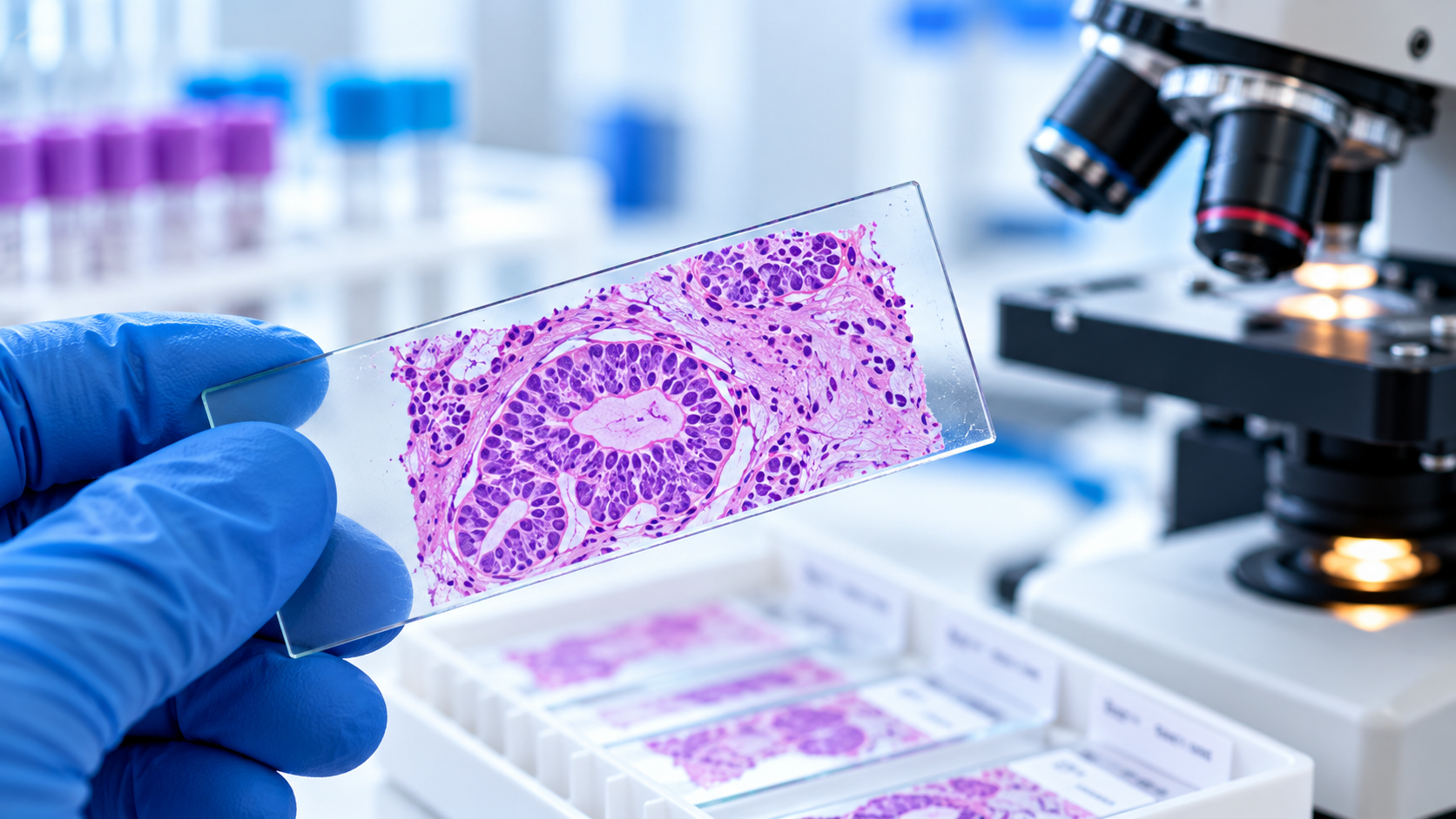
4. Ask: “What Type of Cancer Is It?”
Cancer is not one single disease.
There are many types and subtypes of cancer, and treatment can vary considerably between them.
For example, breast cancer, oral cancer, lung cancer, colorectal cancer and ovarian cancer may require very different treatment strategies.
Even within the same cancer type, treatment can vary depending on tumour characteristics and other patient-specific factors.
Your doctor may therefore explain:
“What exactly is the cancer type?”
“What is the grade?”
“Where did the cancer start?”
“Has it spread to lymph nodes or other organs?”
“Are any additional pathology or biomarker tests required?”
These questions can help you understand your diagnosis before discussing treatment.
5. Find Out Whether Additional Tests Are Required
Sometimes the initial pathology report is enough to establish a diagnosis, but additional testing may be required to classify the cancer more precisely or to guide treatment.
For example, some cancers require biomarker or molecular testing because the results can influence which treatments may be appropriate.
In some cases, the pathology report may also include an addendum when additional testing is completed after the initial report.
Therefore, if your report says that additional tests are recommended or pending, ask your doctor what those tests are and how the results may affect treatment.
6. Consider a Second Opinion When You Need More Clarity
A second opinion can be useful after a cancer diagnosis, particularly when:
The diagnosis is unusual or complex
The proposed treatment involves major surgery
You are unsure about the recommended treatment
You want to understand alternative treatment options
The pathology diagnosis needs additional review
You want confirmation before beginning a major treatment
A second opinion does not necessarily mean that the first doctor is wrong.
It may simply help you understand your diagnosis and treatment options more confidently.
If you are seeking a second opinion, carry your pathology report, scan reports, scan images and other relevant medical records.
Looking for a second cancer opinion in Lucknow?
Patients and families often search online for the best oncologist in Lucknow when they receive a cancer diagnosis. Instead of choosing a doctor only because of an online ranking or advertisement, consider the doctor's relevant cancer specialty, experience with your type of cancer, the treatment options available, and whether your case can be evaluated through a multidisciplinary approach.
7. Don't Start “Cancer Cure” Remedies on Your Own
After a cancer diagnosis, families often receive advice about special diets, herbal products, supplements, fasting, juices or alternative remedies.
Be careful.
Some supplements or herbal products may interact with cancer medicines or affect treatment. A diet or supplement should not replace evidence-based cancer treatment.
If you want to use any supplement, herbal preparation or complementary therapy, tell your oncology team first.
Nutrition can be an important part of cancer care, but it should support—not replace—appropriate medical treatment.
8. Don't Delay the Oncology Consultation Because You Are Afraid
Fear can sometimes cause patients or families to postpone treatment discussions.
A cancer diagnosis should be taken seriously, but there is usually no benefit in making decisions based on panic.
Instead:
Collect your reports.
Organize your medical history.
Consult an appropriate oncology team.
Understand the diagnosis.
Complete recommended investigations.
Discuss treatment options.
Ask questions before making major decisions.
The right treatment plan depends on the individual patient and cannot be determined from a biopsy report alone.
9. Ask These Questions During Your First Oncology Appointment
Before your appointment, write down your questions.
You may ask:
About the diagnosis
What type of cancer is this?
What is the grade?
Where did the cancer start?
Has it spread?
What stage is it?
About further testing
Do I need a PET-CT, CT or MRI?
Do I need any additional biopsy tests?
Do I need biomarker or molecular testing?
Are any pathology tests still pending?
About treatment
Do I need surgery?
Will chemotherapy be required?
Is radiation therapy required?
Are targeted therapy or immunotherapy options relevant?
What is the goal of treatment?
What are the possible side effects?
About the practical aspects
How soon should treatment begin?
How long could treatment take?
Will I need hospitalization?
What should I do about my existing medicines?
What should I bring for my next appointment?
Writing these questions down can help prevent important concerns from being forgotten during an emotionally difficult appointment.
10. Choose a Cancer Care Team, Not Just a Single Treatment
Cancer treatment can involve several specialties.
Depending on the patient's condition, the care team may include:
Surgical oncologist
Medical oncologist
Radiation oncologist
Pathologist
Radiologist
Specialist physicians
Oncology nurses
Nutrition and supportive-care professionals
The treatment approach may also change as new test results become available.
For patients in Lucknow, choosing a cancer centre that can coordinate diagnosis, treatment and follow-up can make the process easier for both the patient and family.
If you are searching for the best cancer hospital in Lucknow, don't evaluate a hospital only by advertisements or online rankings. Look at the cancer specialties available, the oncology team, diagnostic facilities, treatment options, supportive care and the hospital's ability to coordinate the patient's complete treatment journey.
What Should You Do Today If Your Biopsy Report Says Cancer?
If your report has recently confirmed cancer, start with these five steps:
Step 1: Keep the original pathology report safely.
Step 2: Collect your previous scans, blood tests and medical records.
Step 3: Book an appointment with an appropriate oncology specialist.
Step 4: Ask whether additional scans, pathology review or biomarker testing are required.
Step 5: Discuss the treatment plan and consider a second opinion if you need additional clarity.
Most importantly, don't try to interpret the entire pathology report yourself or make treatment decisions based on one line of the report.
A pathology diagnosis is an important step, but cancer treatment is planned by putting the pathology findings together with the patient's examination, imaging, medical history and other relevant test results.
When Should You Seek Medical Attention Quickly?
If the patient has symptoms such as severe breathing difficulty, uncontrolled bleeding, severe pain, confusion, loss of consciousness, persistent vomiting, or another serious or rapidly worsening symptom, seek urgent medical attention rather than waiting for a routine consultation.
For cancer-related emergencies, contact your treating hospital or emergency service.
Cancer Diagnosis Can Feel Overwhelming — You Don't Have to Navigate It Alone
Hearing that a biopsy has confirmed cancer can change everything for a patient and family within a single day.
But the next step does not have to be panic.
Understand the report. Gather your records. Speak with the right oncology team. Ask questions. Understand the available treatment options. And make decisions based on your individual diagnosis rather than fear or unverified information.
At Karuna Cancer Centre & Research Institute, Lucknow, cancer care is approached through a comprehensive process that includes diagnosis, treatment planning and cancer-specific care. The centre provides care across several cancer specialties, including oral, breast, lung, stomach, urological, gynaecological and colorectal cancers.
If you have recently received a cancer-positive biopsy report and are unsure about the next step, discuss your reports with an appropriate oncology specialist.
Related Karuna Cancer Centre Resources
Cancer Treatment Services in Lucknow — Learn about the cancer care services available at Karuna Cancer Centre.
Cancer Surgery — Understand when surgery may form part of a cancer treatment plan.
Breast Cancer Care — Useful for patients whose biopsy has diagnosed breast cancer.
Oral Cancer Care — Useful for patients diagnosed with mouth, tongue or head-and-neck cancer.
Lung Cancer Care — Information for patients diagnosed with lung cancer.
Gynecological Cancer Care — Relevant for cervical, ovarian and other gynaecological cancers.
Contact Karuna Cancer Centre — For consultation and appointment information.
Medical disclaimer: This article is intended for general educational purposes and should not replace an examination, diagnosis or treatment recommendation from a qualified medical professional. Cancer treatment varies from patient to patient. Always discuss your individual pathology report and treatment options with your oncology team.